
India launches geothermal policy, pilots with Iceland and Norway firms

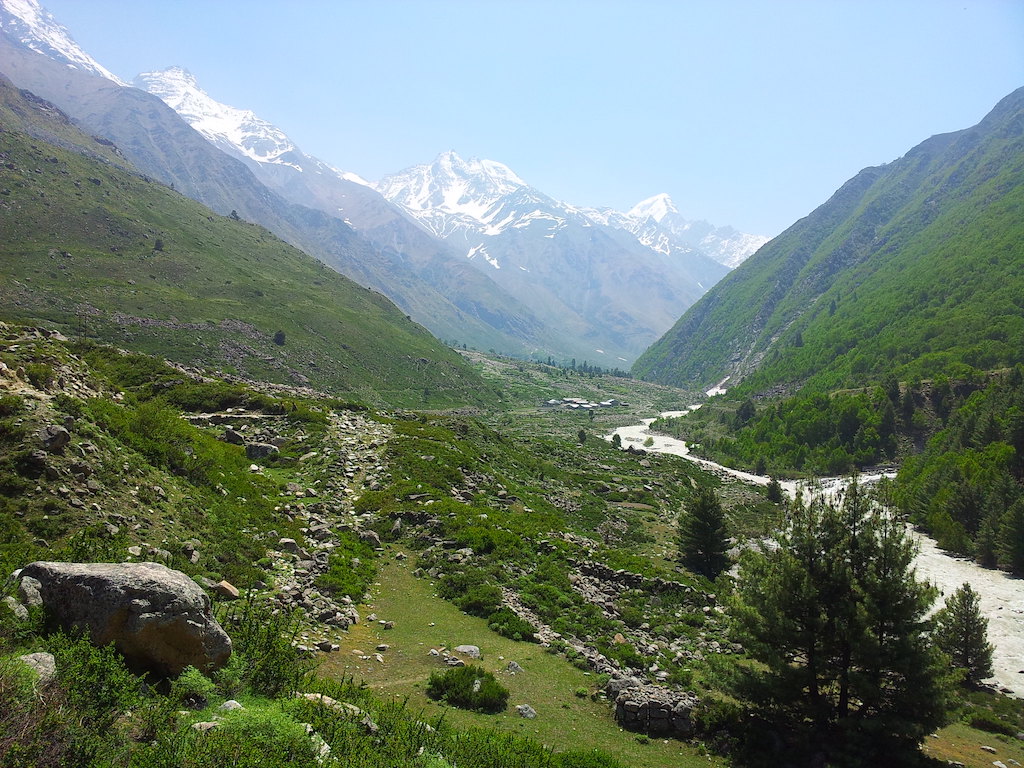
India’s new geothermal policy aims to test viability with pilots in Uttarakhand and Arunachal, drawing interest from Icelandic and Norwegian firms.
India has released a new National Policy on Geothermal Energy aimed at testing the commercial viability of this renewable resource, with pilot projects expected in Uttarakhand, Arunachal Pradesh, and the Gulf of Cambay.
According to the Ministry of New and Renewable Energy (MNRE), international companies from Iceland and Norway have already expressed interest and carried out early studies in potential sites. The Geological Survey of India has identified 381 hot springs nationwide, with surface temperatures ranging from 35°C to 89°C. Additional information can be found in this article of Business Standard.
Potential and policy goals
India is estimated to hold 10.6 GW of geothermal potential, much of it in the Himalayan Geothermal Province, Gujarat’s Cambay Basin, and the Andaman and Nicobar Islands. The International Energy Agency (IEA) projects that India’s market could grow to 4.2 GW by 2035 and nearly 100 GW by 2045.
The policy introduces financial support for research and pilot projects, including possible viability gap funding, and coordination across ministries and state governments. Repurposing abandoned oil and gas wells is also being considered as a pathway to accelerate development.
Global context
Globally, geothermal capacity remains under 17 GW, with the US, Indonesia, and the Philippines leading. Iceland and Norway have pioneered technologies that India hopes to adapt in its pilot efforts.
“Geothermal can help provide electricity and heating in hard-to-reach areas such as Ladakh and the Andaman Islands, where energy costs are very high,” MNRE Secretary Santosh Kumar Sarangi said.
Early projects
So far, five projects have been sanctioned under MNRE, including one with IIT Madras and Vedanta to retrofit oil wells in Rajasthan. The new policy is expected to expand the pipeline and attract more international cooperation.
For further coverage on India, see our overview.
Source: Indian Express