
Neptune Energy proceeds to pilot testing phase of geothermal lithium project in Germany

#image_title
Neptune Energy has started testing different adsorbent materials as part of its geothermal lithium project in Altmark in Saxony-Anhalt, Germany.
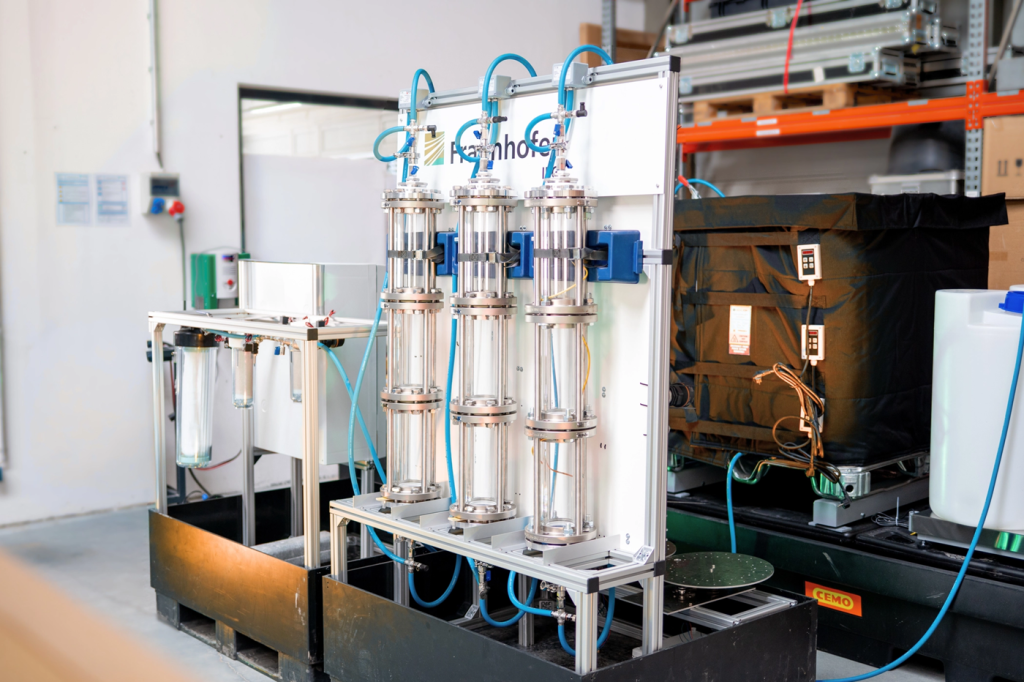
Neptune Energy has launched pilot phase II of its geothermal lithium project in the Altmark region in Germany. This will involve the optimization of the adsorption process and the testing of different adsorbent materials for the proposed Direct Lithium Extraction (DLE) project from geothermal brine. This phase of the project is being executed in collaboration with Fraunhofer IEG.
In 2024, Neptune Energy was awarded the mining permits for lithium and geothermal energy in Altmark in the State of Saxony-Anhalt. The mining permit area largely coincides with the already developed Altmark natural gas field, where data on geothermal energy and lithium concentration has already been collected. According to the company, the project area has a proven 43 million tons of lithium carbonate equivalent (LCE), making it one of the largest lithium resources in the world.
The company is targeting commercial lithium production by 2030, with a goal of producing 25,000 tons of LCE annually, or equivalent to about 500,000 electric vehicles.
Following the awarding of the license, Neptune Energy conducted pilot phase I in 2025 where various globally available DLE technologies were investigated. As Joachim Sluet, Midstream Manager, explained, adsorption technology showed the most promising results considering the conditions in Altmark.
Various adsorbent materials will now be tested and evaluated in different phases over the coming months in a pilot plant for direct lithium extraction developed in collaboration with the Fraunhofer IEG. The pilot plant enables the extraction of lithium in the absence of oxygen and has a processing capacity of up to 1000 liters of thermal water per day.
Adsorbents are designed to selectively adsorb (attract) lithium ions from the thermal water. The lithium is then desorbed (separated) from the adsorbent, resulting in a highly lithium-rich solution, lithium chloride. This can be further processed into battery-grade lithium carbonate or lithium hydroxide monohydrate – the raw material for the European battery and electromobility industries.
Evonik Catalysts was selected to supply the adsorbent material for the first test phase, which proved to be stable and efficient in preliminary trials. The supplier will also support the pilot program with on-site application and process expertise.
Source: Neptune Energy