
Public school district in Colorado to conduct feasibility study on geothermal heating

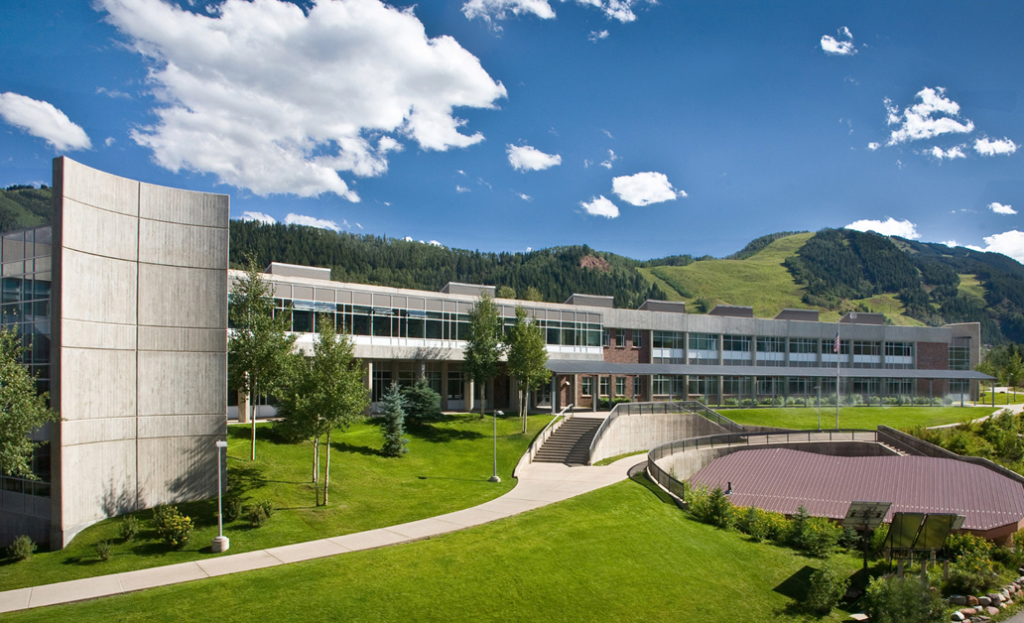
The Aspen School District in Colorado will be evaluating the feasibility of a geothermal heat pump system for heating and cooling.
The Aspen School District in Colorado in the USA will be undertaking a feasibility study on the installation of a geothermal heat pump system which could replace the current gas and electric-powered heating and cooling system. If all goes well, drilling of boreholes for the project could start by Spring 2027.
The feasibility study will involve the drilling of a 6-inch-diameter borehole to a depth of about 1000 feet (304 meters). Glycol will then be pumped into the borehole to measure the heat conductivity of the ground.
“I want to push the envelope a little bit,” commented project lead Joe Waneka, Aspen School District’s director of operations and facilities. “And that’s why we’re trying to use geothermal.”
“We might not get past 200 feet of drilling, we might be sitting on a plate of granite, or the conductivity sucks,” further added Waneka.
If drilling to the target depth is achieved and the conductivity is within expectations, then the project will proceed with developing the geothermal heat pump system. This is estimated to be up to 90% more efficient than the current system.
Waneka estimates that 180 to 220 boreholes will be drilled within 500 to 1000 feet depth should be project push through. The number and depth of boreholes will be determined by subsurface characteristics based on the feasibility study.
With geothermal heat pumps as the district’s primary source of heating and cooling, it can save up to $860,000 per year on gas and electric bills. This will be about a 90% decrease from the bills that the district is currently playing. The project team is also considering extending the project to also generate electricity, potentially getting the money back by selling excess power.
State and federal funding support
Waneka estimates that the project will cost between USD 28 million to 35 million. However, the district is expecting substantial support from both the state of Colorado and federal incentive programs.
The district had previously been awarded a USD 50,000 grant from the Community Office of Resource Efficiency (CORE) and another USD 78,400 grant from the state government.
Moreover, the district could expect 40% of the project cost to be covered through a federal tax credit program under the Inflation Reduction Act. The district plans to further finance the project through grants and private-public partnerships.
Source: Aspen Times