
Reykjavik Geothermal announces start of geothermal drilling in Tenerife, Canary Islands

#image_title
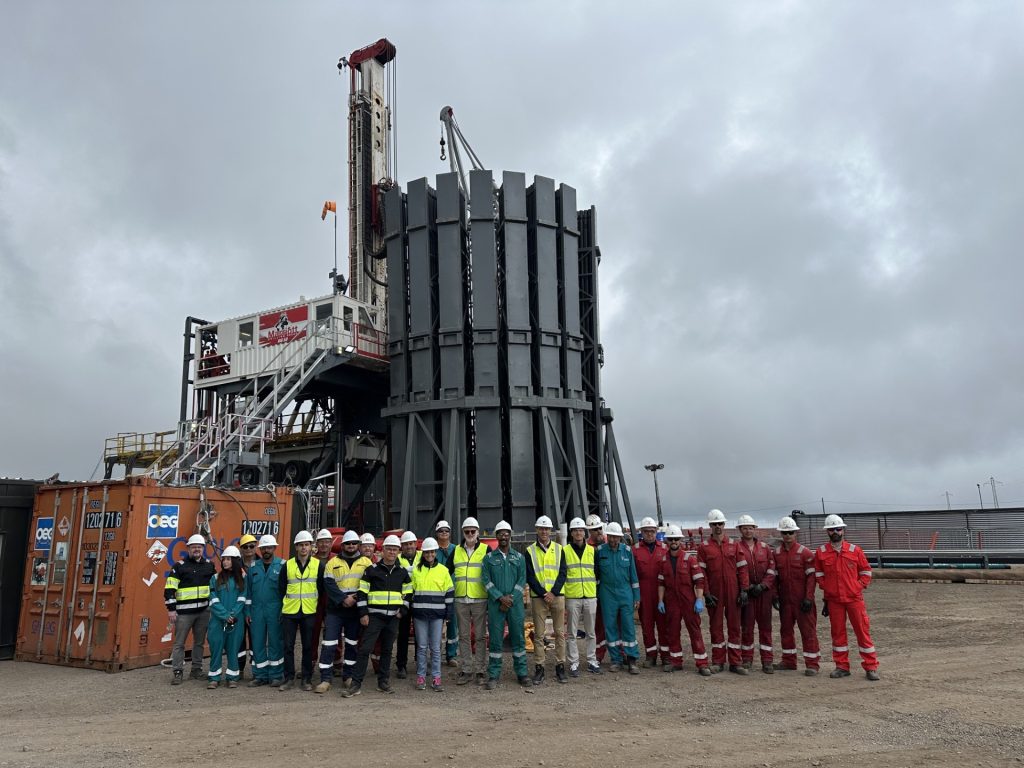
Drilling of the first geothermal exploration well of Energía Geotérmica de Canarias has started on the southern slopes of Mt. Teide in Tenerife, Canary Islands.
Icelandic firm Reykjavik Geothermal (RG) has announced that exploratory geothermal drilling has officially started in Tenerife in the Canary Island as of mid-May 2026. The first exploration well is being drilled in the municipality of Villaflor, on the southern slopes of the Teide volcanic system. According to RG, several wells with target depths of 2500 to 3000 meters are planned to assess the geothermal resource potential in Tenerife.
The geothermal project in Tenerife is being executed by Energía Geotérmica de Canarias (EGC), a company formed by Reykjavík Geothermal, together with the energy company DISA, and the government of Tenerife through the public companies Technological Institute and Renewable Energies (Instituto Tecnológico y Energías Renovables / ITER) and the Canary Islands Volcanological Institute (Involcan). The company was formally established in May 2025.
Aside from Tenerife, the consortium has also secured geothermal exploration licenses in La Palma.

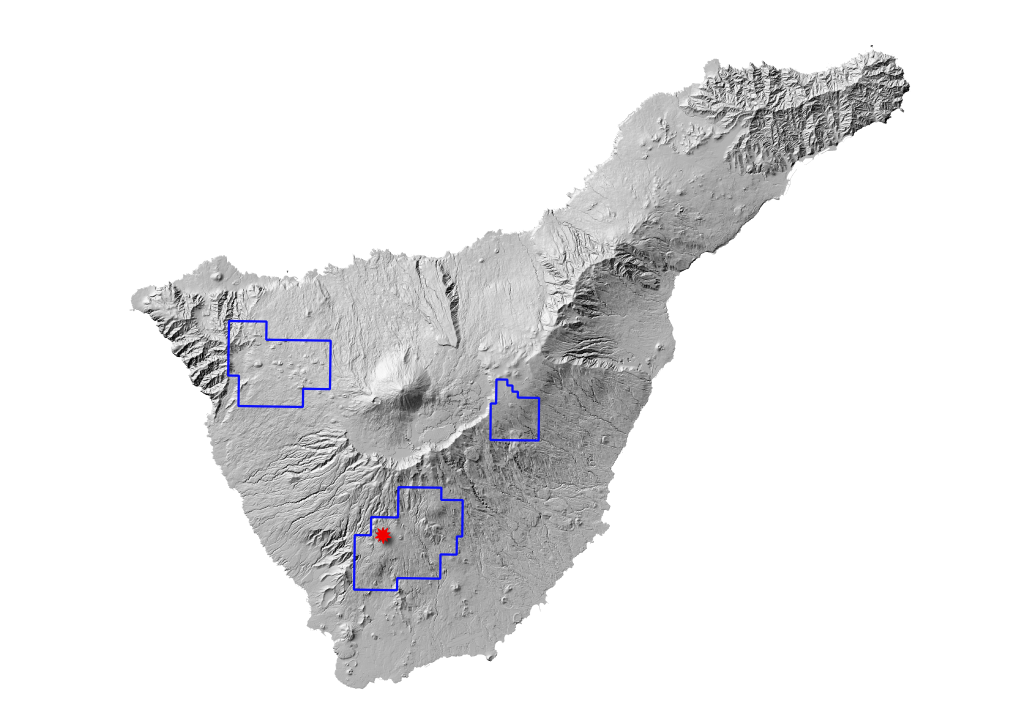
The drilling campaign follows several years of geological studies, permitting work, stakeholder engagement, and planning activities. An update indicating the “start of drilling” in Tenerife reported earlier this year likely refers to the installation of the conductor casing in preparation of the deep drilling phase.
Reducing dependence on imported oil
The Canary Islands currently rely heavily on imported fossil fuels for electricity generation, with more than 80% of power production based on oil imports. According to RG, the electricity prices on the islands are significantly higher than in Iceland and that the current energy mix contributes to high carbon emissions.
Land availability for additional wind and solar projects on Tenerife has also become increasingly constrained, thus no major new wind or solar parks are being planned. Hydropower and offshore wind opportunities are similarly limited.
“If the exploration drilling proves successful, it could pave the way for geothermal power plant development on Tenerife and support the Canary Islands’ long-term goals for lower emissions, improved energy security, and greater energy independence,” said Magnús Ásbjörnsson, CEO of Reykjavík Geothermal.
“The Canary Islands are dependent on imported oil for power generation, much like Iceland was during the twentieth century. Now it is the Canary Islands’ turn to take a similar step, through cooperation between local stakeholders and Icelandic partners.”