
Early work completed for geothermal heating project in Novi Sad, Serbia

#image_title
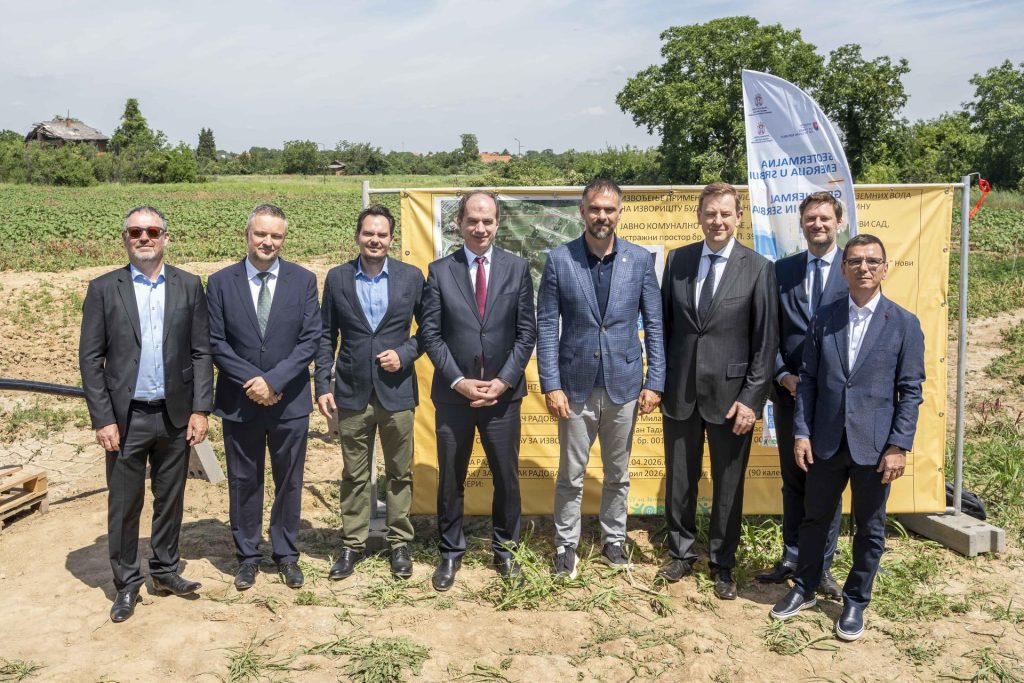
With support from UNDP and Slovakia, the city of Novi Sad, Serbia has been making progress towards the implementation of a geothermal district heating system.
The city of Novi Sad in Serbia is steadily making progress towards the potential use of geothermal energy for heating in the future Miseluk neighborhood. The goal is to build a 30-MW geothermal heating plant in Miseluk, although an initial phase with 11-MW capacity is expected to be operation by 2027 or 2028.
Zarko Mi?in, the Mayor of Novi Sad, updated that the utility company “Novi Sad District Heating Plant” has already conducted geological surveys and constructed the first exploration well, and that the complete distribution network for urban zones Miseluk 3 and 4 have already been built. Work on the second well is currently underway.
In line with its National Energy and Climate Plan, Serbia has set a target to increase the share of renewable energy from 26.3% to at least 33.6% by 2030. Geothermal energy is forecasted to be a significant part of this strategy, with the total geothermal potential in Serbia estimated at around 800 MW.
The project is part of the “Geothermal Energy in Serbia” initiative, implemented by the UN Development Programme (UNDP) with financial support from the Government of Slovakia in cooperation with the Ministry of Environmental Protection and the Ministry of Mining and Energy. The Ministry of Finance of the Slovak Republic has supported the initiative with more than USD 200,000.
“The energy sector is an important pillar of close Slovak-Serbian relations. In the field of renewable energy, we cooperate on the development of several energy sources, including biomass from waste, solar energy, and currently very promising geothermal energy. Slovakia’s close partnership with UNDP in implementing projects in this area has long been creating productive synergies that enable efficient use of resources provided by the Slovak government,” said H.E. Michal Pavúk, Ambassador of the Slovak Republic to Serbia.
“Our goal is to create conditions for the widespread use of geothermal energy in Serbia, meaning that the initiative being implemented in Mišeluk becomes a model that other cities in Serbia can apply to transition to more sustainable and resilient energy systems, in line with national climate goals and the European Green Deal,” added Yakup Beris, UNDP Serbia Resident Representative.
RELATED: Logistics center in Dobanovci, Serbia to implement geothermal heating and cooling system