
Geothermal energy a solution for Türkiye’s growing cooling demand

#image_title
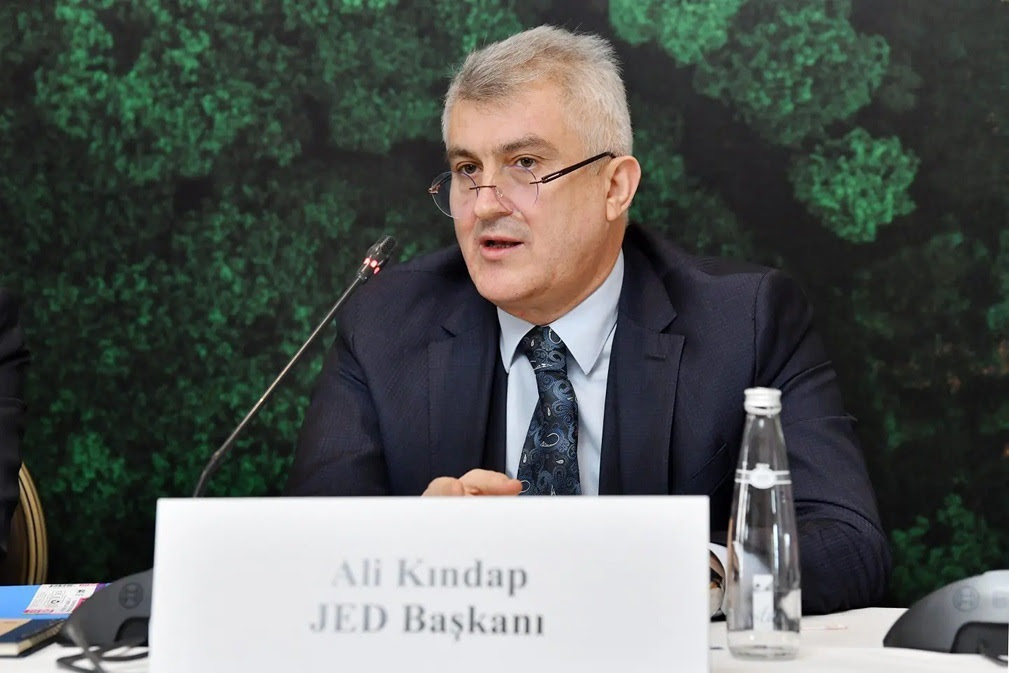
JED President Ali Kindap called for the inclusion of geothermal cooling in Türkiye’s energy policies amidst the increasing use of air conditioners.
With the use of air conditioners placing a growing burden on Türkiye’s electricity grid every year, Ali Kindap, Chairman of the Geothermal Energy Association (JED), appeals for the use of geothermal for cooling, and for such technologies to be part of the country’s energy policies.
“Geothermal energy should not be seen only in terms of electricity generation and residential heating. All developed countries are using geothermal energy more frequently in district heating and cooling systems and it is supported by public administrations,” said Kindap.
As with many parts of the world, Türkiye is experiencing the hottest period of the summer. During peak usage hours, between 12:00 and 18:00, air conditioning-related consumption accounts for approximately 10% of the country’s total electricity consumption. As Kindap explains, geothermal energy is one of the alternative technologies that could reduce reduce electricity demand from cooling sources and relieve the burden on the grid.
The electricity demand for cooling is expected to double in the next 10 years, from 5000 to 6000 GWh in 2025 to about 12,000 GWh in 2035. As Kindap noted, it would not be sustainable to meet the rapidly increasing cooling needs due to climate change through increased electricity production. Relying on the electricity grid to supply the needs for twice the number of air conditioners will only exacerbate the problems being faced today and pass the burden to future generations.
Estimates indicate that every 1 degree Celsius increase in temperature creates a need for approximately 0.77 GW of additional electricity capacity in Türkiye’s power grid.
The increase in electricity demand for cooling has become more prominent in recent years. Until 2008, peaks in hourly electricity demand were predominantly observed during the winter months. After 2008, peak demand shifted to the summer months due to the impact of cooling needs. In 2025, the difference between peak electricity demand in summer and winter increased to 12 times compared to 2008.
A technology known and applied worldwide
Kindap, noting that using geothermal energy for cooling might seem contradictory at first glance, emphasized that the use of hot geothermal resources in cooling production is a technology that has been known and applied worldwide for a long time. He added that hotels, hospitals, shopping malls, industrial facilities, organized industrial zones, university campuses, public buildings, data centers, and residential areas in regions with strong geothermal potential, especially the Aegean Region, should be evaluated in terms of geothermal cooling.
“Using geothermal and ground source heat pumps, which utilize the relatively constant temperature of the earth, we can cool buildings in summer that we heat in winter. Cooling energy can also be directly produced from geothermal sources at suitable temperatures using absorption systems. There are examples of this technology and its unique applications worldwide,” said Kindap.
“We want these technologies to be a part of our country’s energy policies… Geothermal cooling, in the right regions and in the right projects, can be one of the safeguards of the electricity grid.”
Rising living standards to further increase cooling demand
Pointing out that rising living standards have increased energy consumption for cooling purposes, Kindap stated that a global analysis published by the International Energy Agency (IEA) in July indicated that electricity demand from cooling could increase by approximately 1,600 TWh by 2035. Cooling-related energy use currently accounts for about 10% of global electricity consumptions, and this share can reach up to 30% during peak hours.
Kindap called on all stakeholders in Türkiye to identify pilot regions for geothermal cooling, create the first examples using public investments, and activate investment incentives. “Let’s prepare feasibility studies for geothermal cooling in public buildings, hospitals, universities, tourism facilities, and organized industrial zones in our cities with high geothermal potential. Let’s include suitable projects within the scope of energy efficiency incentives. Let’s direct our domestic equipment and engineering capacity to this field. Let’s implement domestic, renewable, and sustainable solutions against Türkiye’s growing cooling bill in the summer.”
“This inexhaustible energy source beneath our feet can heat us in winter and cool us in summer. It can generate electricity, heat greenhouses, provide process heat to industry, and serve agricultural production and tourism. To confine such a versatile energy source to a single area of use is a huge economic loss for Türkiye.”
Source: Email correspondence via our Turkish language platform JeotermalHaberler