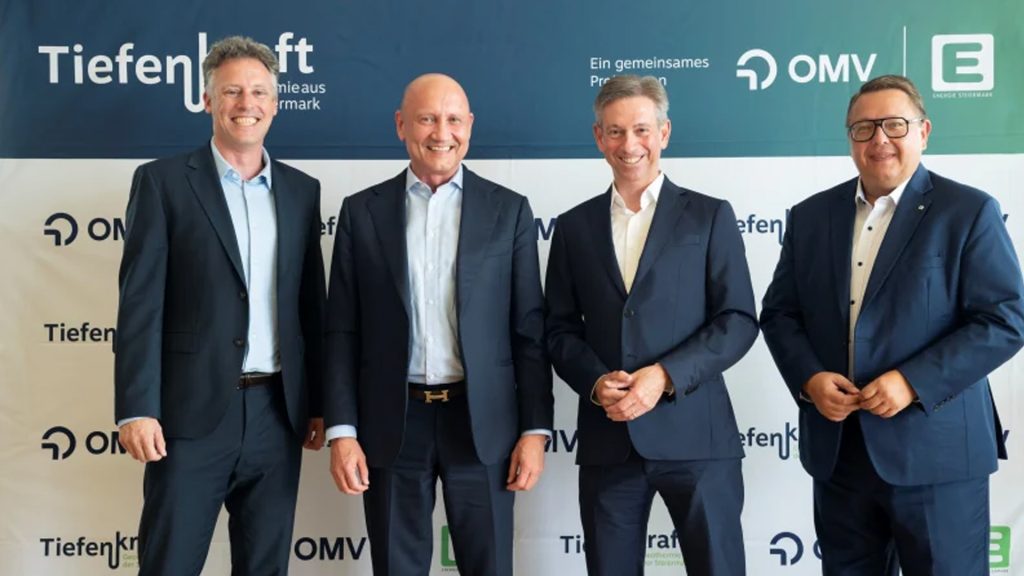
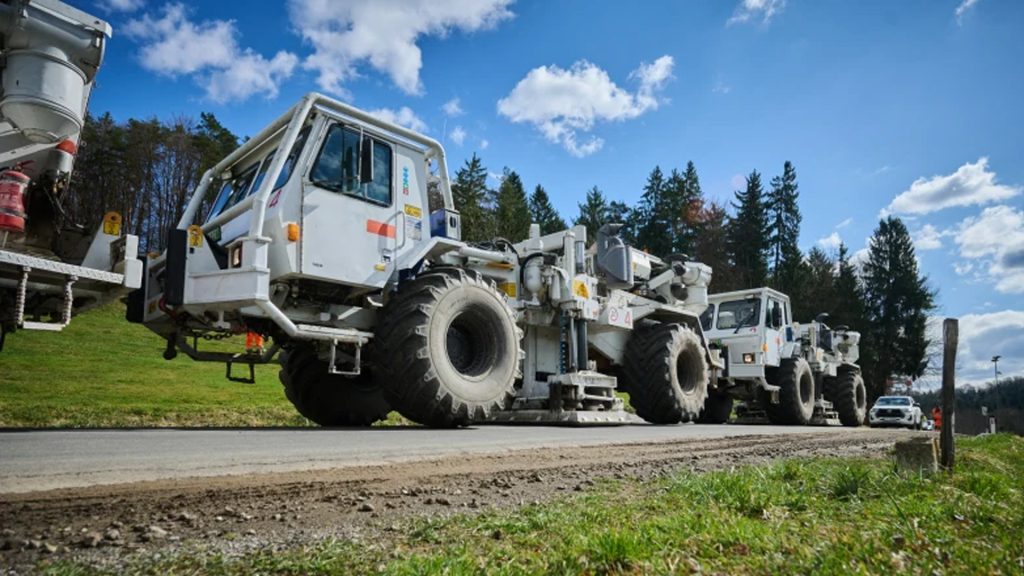
OMV and Energie Steiermark have announced a joint geothermal project that could potentially supply 50% of the heating supply in the city of Graz in Austria. The announcement follows a successful seismic survey campaign and the negotiation for new contracts for the proposed geothermal project. Exploratory drilling is expected to commence before the end of 2026.
Implementation of the “Tiefenkraft” project will be done through a joint development company between OMV (75%) and Energie Steiermark (25%). The first heat delivery from the future facility could take place in 2030. In the long term, the project aims to supply up to 670 GWh of geothermal heating by 2037, which corresponds to about 50% of the heating demand in Graz.
The announcement is a welcome sign of progress for the geothermal project after a period of disagreement between the project partners and the local governments in late 2025.
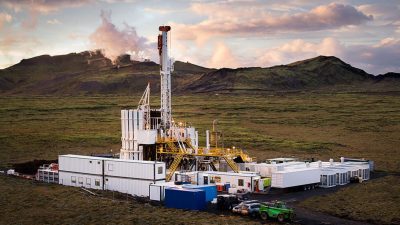
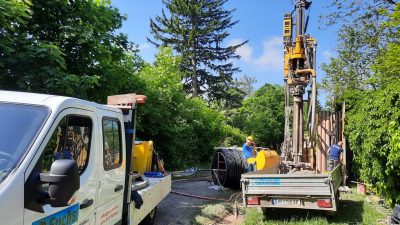
Currently, data from the seismic survey is being analyzed and will be the basis for detailed subsurface modeling that will be crucial for further project planning. The next key step is the planned exploratory drilling of “Petersdorf 2” in St. Marein near Graz, scheduled to begin in the fourth quarter of 2026. Preparatory work for exploration drilling is scheduled to begin in September 2026.
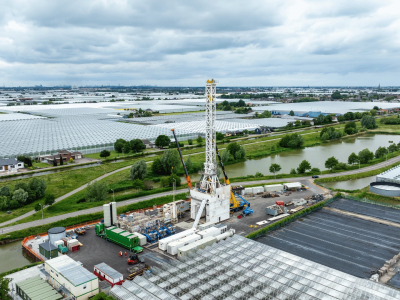
Drilling and the subsequent testing phase will take approximately three to four months and will provide important insights into the geothermal potential and the geological conditions. The decision to implement the entire project – including all production and injection wells, the construction of the pipeline to connect to the district heating network, and the installation of surface facilities (e.g., pumping station) – will be made following comprehensive testing.
If the results are positive, the next investment decision will involve the construction of an initial geothermal doublet including comprehensive testing. In parallel, two further wells are planned to examine the feasibility of an Aquifer Thermal Energy Storage (ATES) system, which stores excess heat underground and makes it available seasonally.
Planning of the heating pipeline to Graz would also be advanced during this period. The construction and operation of the approximately 20-kilometer district heating pipeline (investment volume approximately €150 million) is the sole responsibility of Energie Steiermark.
Source: OMV