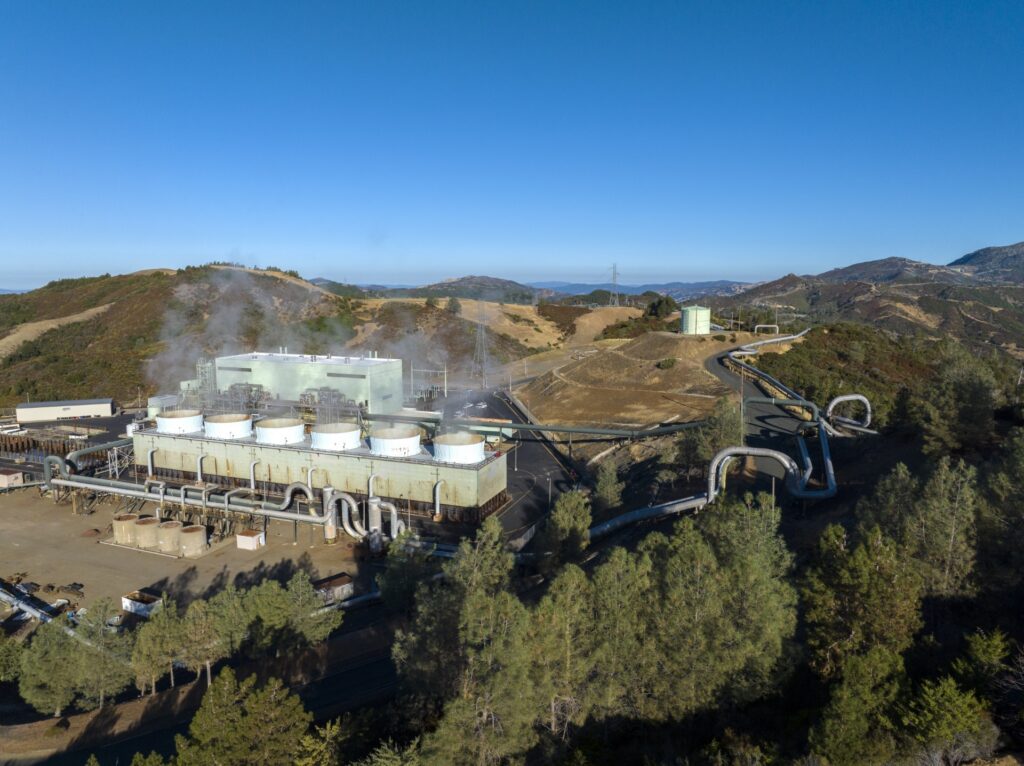
A new report published by the Clean Air Task Force (CATF) calls on the state to fund a program to explore and map the subsurface to aid in establishing an in-state next-generation geothermal industry. This could help the state to reduce annual electricity supply costs in California by 23% to 52% by 2045 and reach its 2045 clean energy targets without having to massively scale up the buildout of solar power installations.
Click here to view the full report, “Build Here: How Targeted State Investment in Geothermal Can Fill California’s Clean Firm Gap.”
Despite California hosting more than 70% of the installed geothermal power generation capacity in the United States, it is being left behind in terms of next-generation geothermal initiatives. California, however, is still benefitting from these projects. Fervo Energy, which is developing an Enhanced Geothermal project in Utah, has notably signed power purchase agreements (PPAs) with several California-based community choice aggregators, including 48 MW with Clean Power Alliance and 320 MW with Southern California Edison.
However, California’s economy stands to benefit more from an in-state next-generation geothermal industry. Given the exceptional geothermal resource potential in California, what is holding back development? One reason, the report states, is the lack of subsurface data needed to identify promising locations for early projects.
“California is effectively paying to develop geothermal in other states,” said Terra Rogers, Senior Director, Superhot Rock Geothermal at CATF. “Ratepayer money is flowing, but the jobs, the tax revenue, and the long-term energy security are going to states like Utah and Nevada, where the subsurface is better understood. A targeted state investment in next-generation geothermal exploration in California could help reverse that trend.”
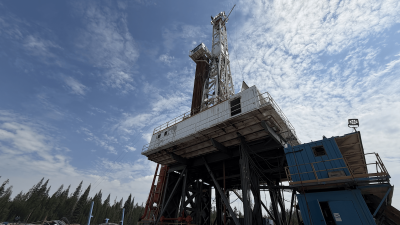
The report identifies the Utah FORGE facility as a proven model for unlocking investment in next-generation geothermal. Funded by the the U.S. Department of Energy, the Utah FORGE testbed drilled a series of wells in rural Utah and publicly released the resulting subsurface data. The results of Utah FORGE helped de-risk the Cape Station project of Fervo Energy, resulting in billions of dollars of private investment.
RELATED: Utah FORGE – a model for government-backed geothermal research
Investment in a similar program in California would de-risk the subsurface in high-potential geologic regions, crowd in private investment, and help California deploy next-generation geothermal at scale. State investment could support a coordinated program of exploration wells in one, or various, geological regions. A cost-share from geothermal developers can also be integrated into the program to reduce the costs shouldered by the state and accelerate private sector investment.
The report clarifies that a testbed program is only one of many steps needed to de-risk next-generation geothermal development in California. Long permitting times remains an issue which has notably delayed some projects for developers in the GeoZone.
Source: Clean Air Task Force