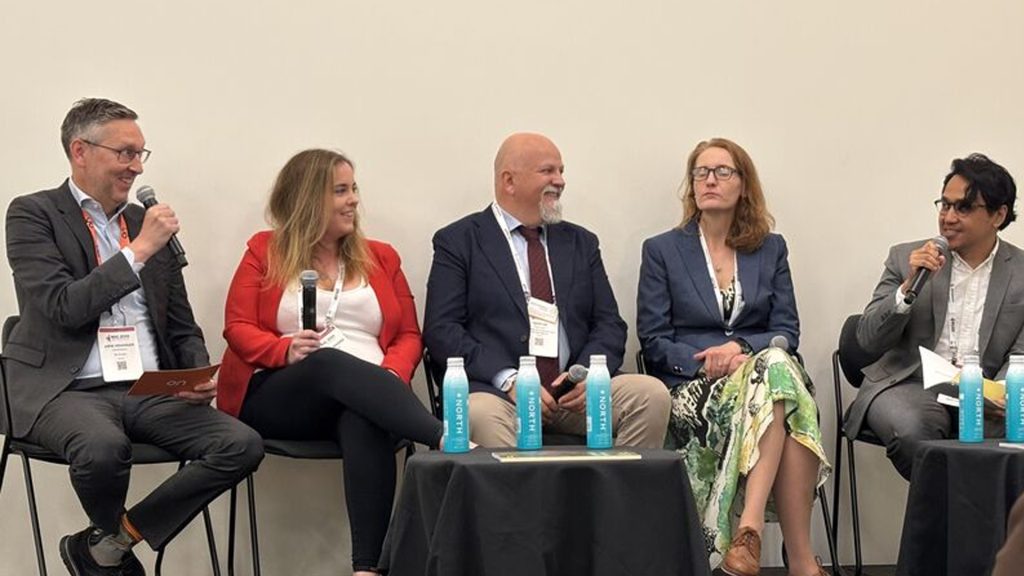
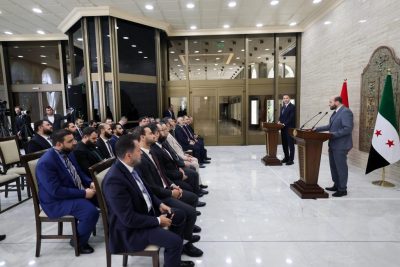
The role of geothermal direct use in building resilient, people-centered energy systems was highlighted during the “Direct Use of Geothermal” roundtable held as part of the World Geothermal Congress (WGC) 2026 in Calgary, Canada.
The roundtable brought together geothermal leaders, policymakers, engineers, utilities, and industry stakeholders to discuss how geothermal heat can be more widely deployed for district heating and cooling, industrial processes, food production, tourism, and community development. Held as part of Iceland’s strong participation at WGC 2026 as Official Country Partner, the session provided a platform for sharing both the Icelandic experience and lessons from other major direct use markets around the world.
A key message from the discussion was that geothermal direct use must be treated as a major opportunity in the global energy transition. Heating and cooling account for approximately half of global energy consumption, yet they often receive less attention than electricity generation in energy policy and investment discussions. This makes geothermal direct use one of the most immediate and practical pathways for reducing fossil fuel dependence, lowering emissions, and improving energy security.
In contrast to many emerging clean energy technologies, geothermal direct use is already proven. In countries and communities with suitable resources, geothermal heat can provide reliable, local, and long-term energy for homes, businesses, public infrastructure, and industry. The challenge is not whether the technology works, but how to create the policy, financing, planning, and institutional frameworks needed to deploy it at scale.
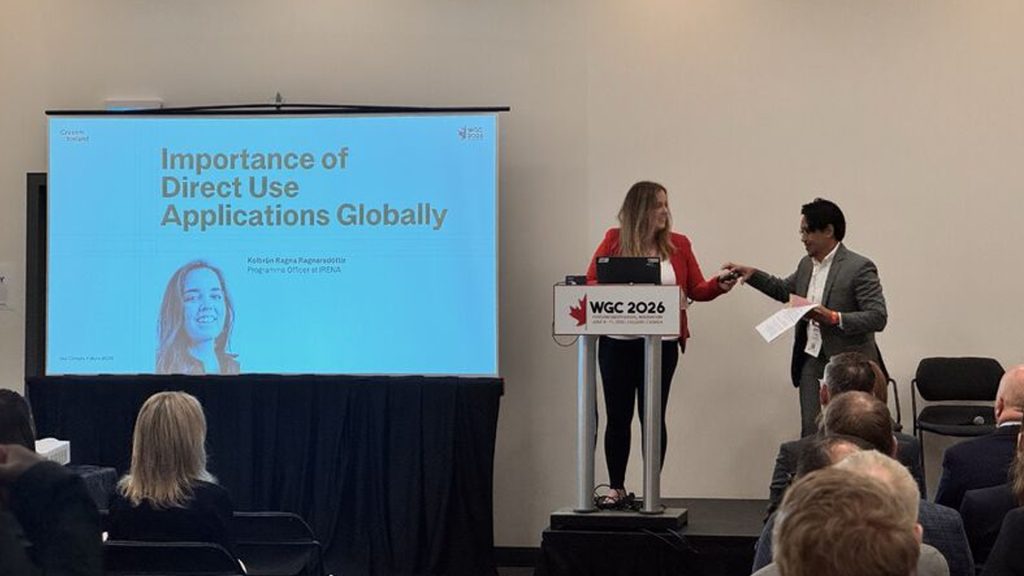
“Geothermal district use should not be an afterthought,” said Kolbrún Ragna Ragnarsdóttir, Programme Officer at the International Renewable Energy Agency (IRENA), one of the key messages highlighted during the roundtable. The statement captured a central theme of the discussion: geothermal heating and cooling systems need to be considered early in urban planning, infrastructure development, and energy transition strategies, rather than treated as secondary options once other decisions have already been made.
The Icelandic experience and case studies
Iceland’s experience was presented as a powerful example of what can be achieved when geothermal direct use is supported by long-term commitment, planning, and political will. The country’s current geothermal sector was built over decades through public policy, infrastructure investment, technical capacity-building, and a clear national vision for energy independence and local resource utilization.
Today, geothermal energy is deeply embedded in Icelandic society. It provides space heating for homes, schools, public buildings, swimming pools, greenhouses, and businesses. Its benefits go beyond energy supply, contributing to comfort, public health, and overall quality of life. For many Icelandic communities, geothermal direct use has helped create the conditions for local economic development and social resilience.
The roundtable emphasized that Iceland’s geothermal success is a product of long-term planning and coordinated efforts between the government, utilities, municipalities, engineers, scientists, and local communities. Political decisions were needed to support infrastructure buildout, while long-term planning helped ensure that geothermal systems could serve communities for generations. From salmon farming to thermal baths, having access to affordable and reliable heat has helped support regional development, ensured food security, and improved quality of life.
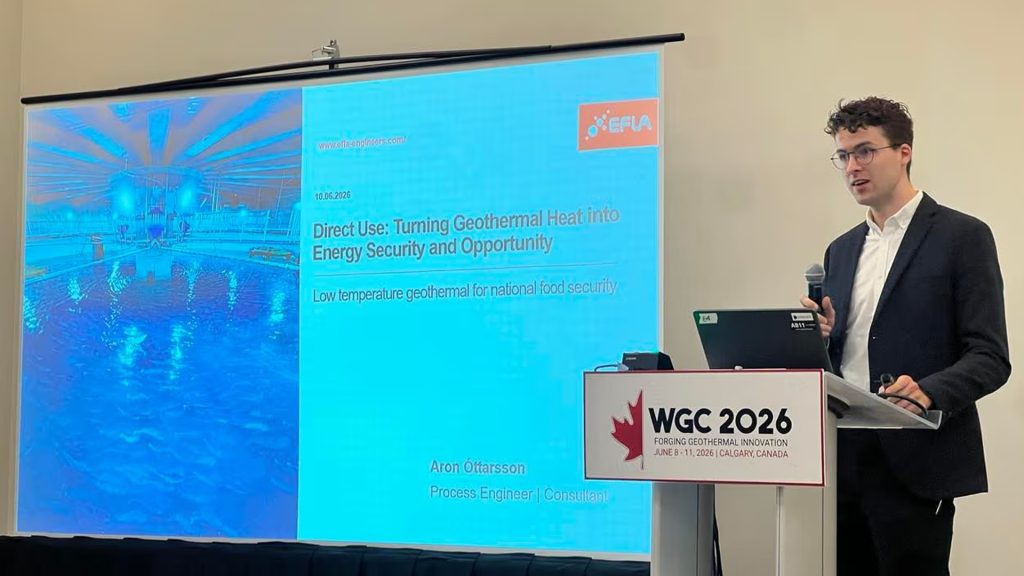
Access to affordable and reliable heat has supported regional development, reduced exposure to imported fuels, and enabled local industries that depend on stable thermal energy. This includes greenhouse cultivation, aquaculture, bathing and wellness tourism, snow melting, and other productive uses of geothermal heat.
The Icelandic experience also demonstrates the value of viewing geothermal as infrastructure. District heating networks, once established, become long-lived assets that provide social, economic, and environmental benefits over many decades. This long time horizon is particularly important for countries seeking durable energy transition solutions that can strengthen communities rather than simply replace one fuel source with another.
Geothermal direct use around the world
As part of the session, another roundtable highlighted the experience of different countries in deploying or advocating for policies that enable a thriving geothermal direct use sector.
China has long been the global leader in geothermal district heating. The country has developed large-scale geothermal heating systems that serve extensive urban areas, supported by policy frameworks and strong demand for cleaner heating solutions. China’s experience shows that geothermal direct use can be deployed at significant scale when it is aligned with public policy, urban development, and air quality goals.
New Zealand was also highlighted as a country with a rich and growing direct use sector. Geothermal resources in New Zealand support a wide range of applications, from industrial heat and food production to tourism, bathing, and community uses. The country’s geothermal development is also closely linked to local and Indigenous communities, providing important lessons on how resource development can be connected to cultural, social, and economic outcomes.
In the United States, geothermal direct use is gaining renewed attention through historical thermal energy networks, emerging district heating and cooling projects, and increasing policy support. Several communities in the U.S. have long-standing district energy systems, while new initiatives are exploring geothermal heat pumps, thermal energy networks, and deeper geothermal resources for heating and cooling. Federal and state-level programs are helping drive investment, demonstration projects, and policy momentum for wider deployment.

The discussion underscored that geothermal direct use is not a niche solution limited to volcanic countries. Depending on local conditions, geothermal heat can be applied through high-temperature resources, low- and medium-temperature systems, heat pumps, thermal energy networks, and hybrid systems. This flexibility makes geothermal direct use relevant for a wide range of geographies and applications.
Speakers also emphasized that the strongest opportunities may come from pairing geothermal with local needs. In dense cities, geothermal can support district heating and cooling. In rural areas, it can enable greenhouse agriculture, aquaculture, and local industries. In industrial regions, geothermal heat can help decarbonize process heat. In cold climates, it can provide energy security and reduce heating costs. In each case, geothermal direct use can be designed around the needs of the community.
Launching the blueprint for geothermal direct use
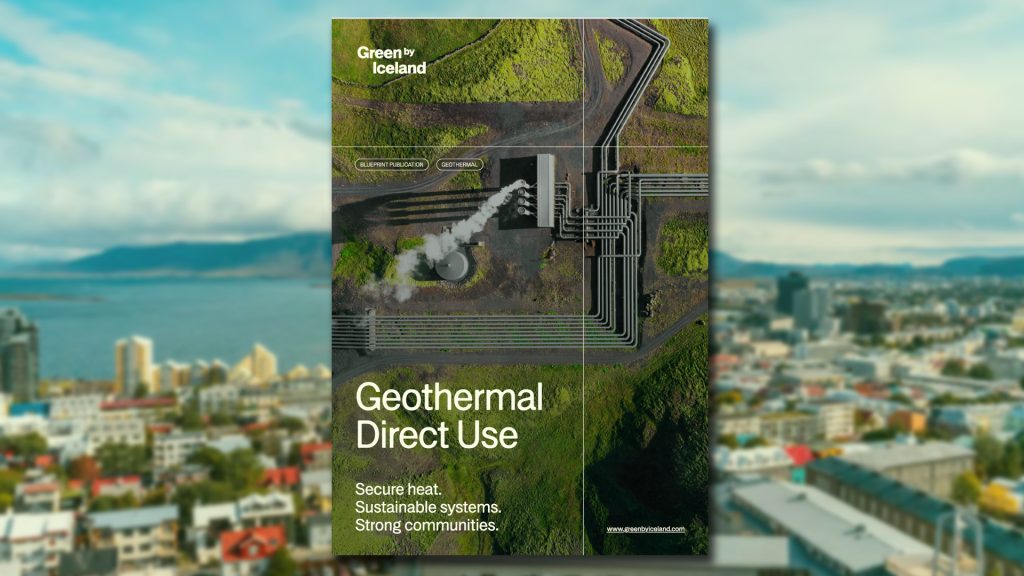
The roundtable also served as the official launch of the “Geothermal Direct Use. Secure heat. Sustainable systems. Strong communities,” a new document developed by Green by Iceland and partners to share lessons from Iceland and support the wider deployment of geothermal direct use systems.
The blueprint positions geothermal direct use not only as an energy solution, but as a tool for community resilience, economic development, and improved quality of life. It emphasizes that successful geothermal heating and cooling projects require more than resource availability. They need enabling policy, integrated planning, public acceptance, technical capacity, financing models, and strong cooperation between public and private stakeholders.
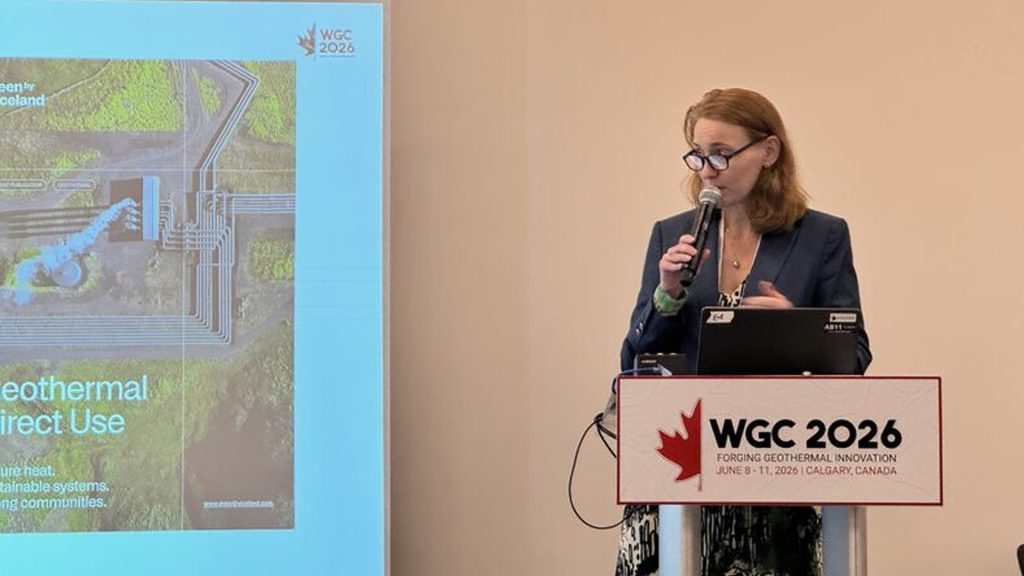
Participants stressed that geothermal direct use should be elevated in policy discussions, investment strategies, and urban planning. Too often, heating infrastructure is considered late in the development process, after cities, buildings, and industrial zones have already been designed around other energy systems. The message from the roundtable was clear: geothermal direct use must be considered early, strategically, and at scale.
The roundtable also highlighted the importance of storytelling and public engagement. In Iceland, geothermal is not only understood as an energy source, but as part of daily life. It heats homes, supports public pools, enables local food production, and contributes to community identity. Communicating these tangible benefits can help other countries build public support for geothermal projects.
As the world seeks practical solutions for decarbonization, energy security, and affordability, geothermal direct use offers a compelling pathway. It is local, reliable, proven, and capable of delivering benefits directly to people and communities. The launch of the direct use blueprint at WGC 2026 marked an important step in building greater international awareness of this opportunity.
The roundtable concluded with a strong message: geothermal direct use should no longer be treated as a secondary application of geothermal energy. It is a central part of the geothermal value proposition and a critical solution for the energy transition. With long-term commitment, political will, and integrated planning, geothermal heating and cooling systems can help build more resilient, sustainable, and people-centered communities around the world.