The geothermal sector is seeing an increasing use of new technologies that help on several aspects of exploration, utilization and operation of geothermal resources. As part of our general coverage, we sometimes stumble across case studies that we think are worth sharing.
One example is this technology case study highlighting how IoT (Internet of Things)-based monitoring can be used to track pressure conditions in geothermal district heating infrastructure.
The example comes from Iceland, where Veitur Utilities, the operator of Reykjavík’s geothermal district heating network, has deployed pressure sensors connected through a LoRaWAN communication network. The setup enables pressure data to be collected from distributed points across the system and transmitted to a central monitoring platform.
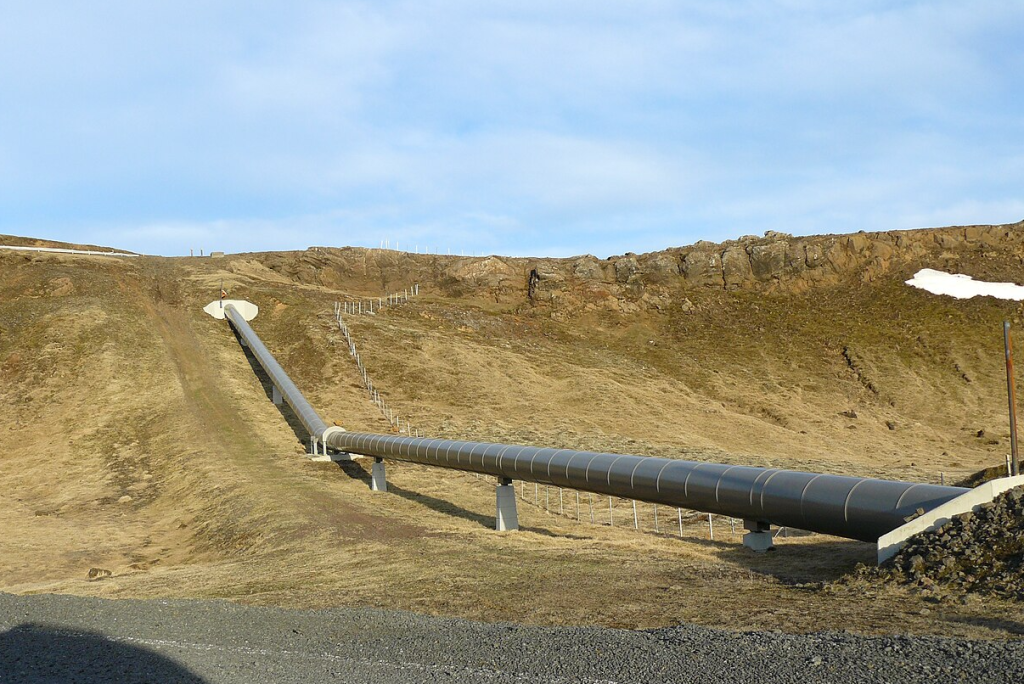
With geothermal district heating supplying around 90% of homes in Iceland, operators manage extensive pipeline networks and technical infrastructure. Monitoring points for such systems may be located in remote areas where electricity or telecommunications connections are not available. Through the use of monitoring tools such as remote sensors, critical data can still be collected at the frequency and resolution needed to support operations.
Remote monitoring through low-power communication networks
The case study combines pressure sensors with LoRaWAN (Long Range Wide Area Network) technology, which allows devices to transmit small amounts of data over long distances while using minimal power.
Through this system, pressure readings from various points in the geothermal network are transmitted to a central platform where operators can monitor system conditions. The data can be accessed remotely and may help identify unusual pressure patterns that could signal operational issues. Eliminating the need for regular visits to do basic checks reduces operational efforts and lowers the environmental footprint of the operations.
For infrastructure operators managing large geothermal heating networks, such remote monitoring systems can complement traditional maintenance and inspection routines.
Technology providers involved in the deployment
The monitoring system described in the case study was implemented using technology from Rafal, an Iceland-based engineering company that develops and builds electrical and energy infrastructure.
Rafal’s IoT department was involved in integrating pressure sensors and communication components for the monitoring setup with the IoT platform provided by akenza.io, which enables device connectivity, data management, and integration with monitoring applications.
Together, the solution allows pressure data from sensors deployed across the geothermal infrastructure to be transmitted through the LoRaWAN network and analysed through a central digital platform.
Potential role in predictive maintenance
Continuous monitoring of operational parameters such as pressure can support early detection of anomalies in geothermal distribution systems. This may allow utilities to respond more quickly to potential leaks, equipment failures, or other operational challenges.
Over time, combining sensor data with analytics tools could also support predictive maintenance approaches. Instead of relying primarily on scheduled inspections, operators may increasingly use real-time data to assess infrastructure performance and plan maintenance activities.
The Icelandic deployment also suggests future possibilities for integrating additional components into the monitoring network. These could include remotely controllable valves or other devices that allow operators to adjust system operations without requiring on-site intervention.
Digitalisation expanding in geothermal operations
As geothermal district heating networks grow in scale, particularly in Europe and parts of North America, utilities are facing the challenge of managing increasingly complex underground infrastructure. Monitoring technologies that allow remote access to operational data may help operators improve system reliability while reducing the need for frequent field inspections.
While geothermal systems have long relied on instrumentation and monitoring at power plants and wellheads, digitalisation is increasingly extending into distribution infrastructure and district heating networks. Technologies such as IoT sensors, cloud-based data platforms, and low-power communication networks are beginning to be tested in geothermal applications to help operators manage complex infrastructure and thus help networks expand more sustainably.
Similar IoT and AI technologies have already been used in geothermal power plants, notably in the Olkaria geothermal complex in Kenya and the Patuha geothermal power plant in Indonesia. In both these cases, as well as in the Iceland example, the technology offers remote and real-time data monitoring, centralized data collection and analytics, and pre-emptive detection of operational issues.
Source: akenza