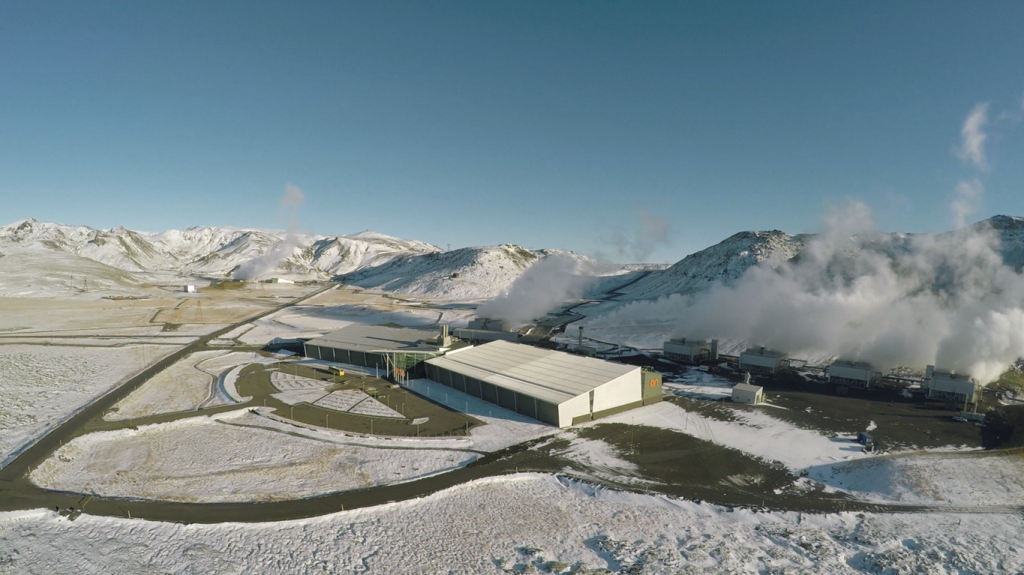
Construction work has started for the expansion of the thermal capacity of the Hellisheidi geothermal power in Iceland. The aim is to increase the hot water production of the plant by 600 L/s, thus increasing the production capacity of the thermal plant by 60%. The expansion work is expected to be completed by the end of 2026.
“This is an incredibly fun project and is of great importance to society,” said Rúnar Freyr Ágústsson, project manager for investment projects at Orka náttúrunnar / ON Power, which is leading the project. “We are increasing the production capacity of the Hellisheidi power plant so that it can continue to meet the demands that society places on a safe and sustainable heating supply.”
The project has been in preparation and development for about three years, and the construction phase is expected to take about another year. It is extremely extensive and involves many parties, including equipment and solutions manufacturers abroad, like in Poland and Romania. Héðinn is the main contractor and works in collaboration with a number of subcontractors, both domestic and foreign. Veitur, which distributes hot water to homes and businesses, is also an important partner in the project.
In late 2024, COWI announced that it had been awarded the engineering design contract for the expansion of the Hellisheidi geothermal power plant. According to the previous release, the expansion targets an increase in thermal energy capacity from the current 200 MWth to 300 MWth.
By expanding the thermal power plant at the Hellisheidi power plant, ON Power is contributing to strengthening the community’s important infrastructure and ensuring that residents of the capital area continue to have access to hot water for heating and daily use. The increase will benefit households and businesses in the capital area of Reykjavik, as the hot water will flow to around 20,000 households or 70–80,000 residents. The increase in capacity is considered an important step in meeting the growing need for hot water as the city expands and new neighborhoods are developed.
Source: ON Power