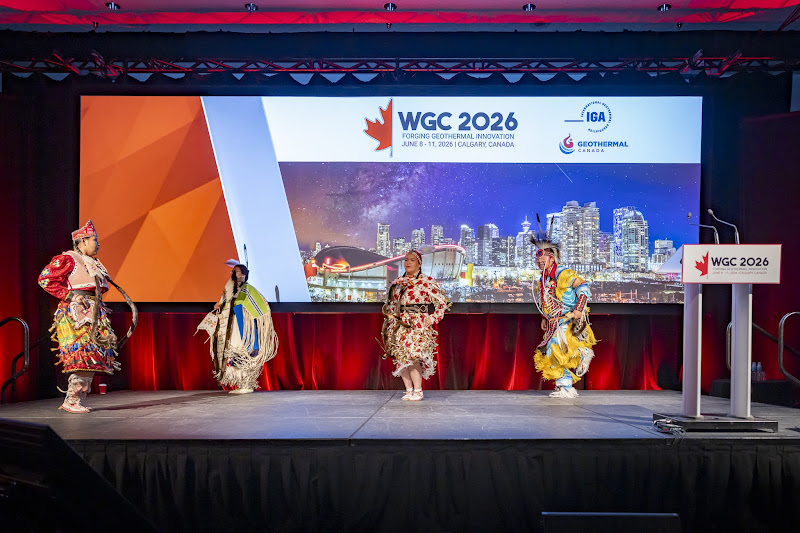
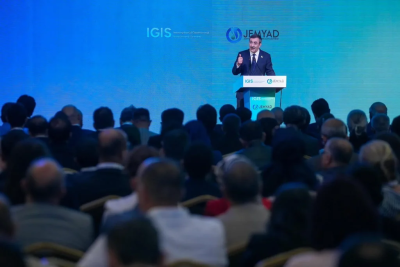
For four days in June 2026, Calgary became the global capital of geothermal energy. The World Geothermal Congress (WGC 2026), the flagship event of global geothermal industry, brought together thousands of delegates from industry, government, academia, finance, and civil society to discuss how geothermal can play a larger role in the global energy transition.
Organized by the International Geothermal Association (IGA) in partnership with Geothermal Canada, WGC 2026 attracted more than 2000 delegates from 73 countries, representing more than 850 organizations, underscoring the global nature of the congress.
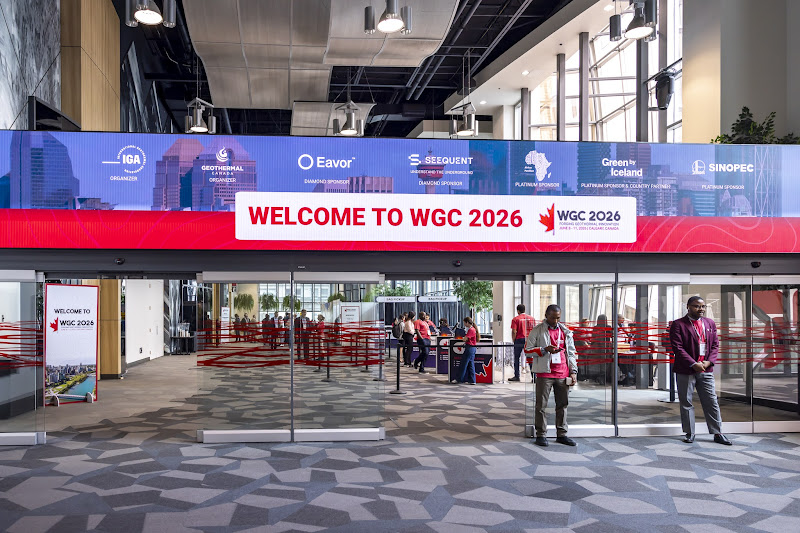
Yet unlike previous editions of the congress, the conversations in Calgary felt markedly different. While technical topics remained central themes, the dominant message throughout the week was that geothermal has moved beyond proving its potential. The industry’s challenge today is executing projects faster, financing them more effectively, communicating their value more clearly, and deploying geothermal solutions at scale.
Corroborating on this theme, several announcements were made over the days of WGC that are focused on execution – funding for a Deep Geothermal Roadmap in Canada, a pilot EGS site by SLB and Ormat, the release of funding for superhot drilling in New Zealand, and a new 100-MW binary unit designed for EGS.
From next-generation Enhanced Geothermal Systems (EGS) and superhot rock technologies to district heating, direct use, policy frameworks, communications, Indigenous community engagement, and investment, WGC 2026 showcased a geothermal industry that has become more mature and confident in what it can deliver.
A symbolic meeting point for the geothermal industry
For decades, Calgary, Canada has been recognized as one of the world’s centers of oil and gas expertise. Hosting the geothermal industry’s premier global gathering in a city synonymous with drilling, subsurface engineering, and energy development sent a powerful message – that geothermal is increasingly building upon the knowledge, workforce, and supply chains developed by the oil and gas sector.
During the opening ceremony, Alberta Premier Danielle Smith highlighted the province’s drilling expertise and argued that technologies developed for oil and gas could help unlock geothermal resources worldwide. Speaking to delegates, she emphasized the opportunity to develop breakthrough technologies that could make geothermal deployment faster and more cost-effective.
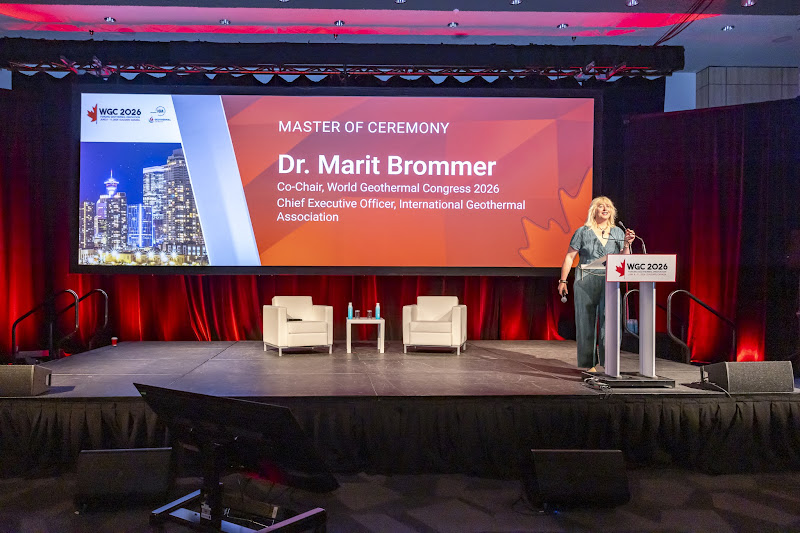
The keynote program reinforced this sense of momentum. Rather than focusing solely on any single geothermal sector, speakers represented a broad cross-section of the industry’s future – from Iceland’s mature geothermal sector to China’s rapid expansion, next-generation innovators such as Quaise Energy and Fervo Energy, and established developers like Ormat Technologies.
Calgary demonstrated how regions with deep expertise in subsurface engineering can become natural homes for geothermal development. This illustrates that the energy transition is not necessarily about replacing one industry with another, but about applying existing capabilities to new challenges.
Exploring the whole spectrum of geothermal solutions
Through an extensive program of technical sessions, panels, and roundtables, WGC 2026 showcased geothermal as a diverse portfolio of technologies and applications.
Conventional geothermal development remained well represented, with sessions covering exploration techniques, reservoir engineering, drilling optimization, production enhancement, reinjection strategies, digital monitoring, and operational best practices. At the same time, some of the busiest sessions focused on next-generation technologies.
Enhanced Geothermal Systems (EGS) featured prominently, reflecting growing commercial interest following recent field successes in the USA. Closed-loop geothermal systems also attracted considerable attention, while superhot geothermal continued to generate excitement through discussions on advanced drilling methods, high-temperature materials, and corrosion management.
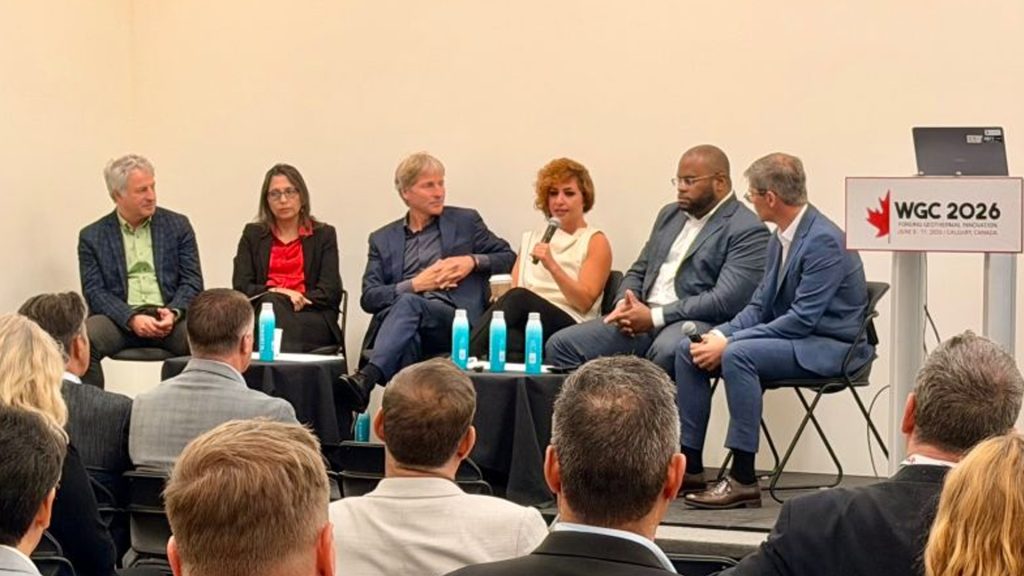
Digitalization emerged as another major theme. Sessions highlighted advances in artificial intelligence, machine learning, digital twins, fiber optic sensing, reservoir simulation, and automated drilling technologies that promise to improve both project economics and operational reliability.
Equally important was the strong emphasis placed on geothermal heating and cooling. District heating networks, geothermal heat pumps, aquifer thermal energy storage, and seasonal thermal storage all featured prominently throughout the congress, illustrating how low to medium-enthalpy geothermal can contribute to decarbonizing buildings, industry, and urban energy systems.
Direct use received unprecedented visibility during WGC 2026. Dedicated sessions explored geothermal applications in agriculture, food processing, aquaculture, industrial processes, mineral recovery, airports, greenhouses, and community heating systems. Rather than treating direct use as a secondary application, many discussions positioned it as one of the fastest pathways for expanding geothermal deployment worldwide.
This diversity demonstrated how far the industry has evolved. Geothermal is no longer viewed simply as a source of baseload electricity but increasingly as a platform technology capable of supplying electricity, heat, cooling, storage, industrial energy, and critical infrastructure resilience.
Spotlight on Iceland as the home of geothermal
As the Official Country Partner of WGC 2026, Iceland used the event to demonstrate why it continues to serve as the global benchmark for geothermal development. Through the coordination work by Green by Iceland, the Icelandic delegation brought together around one hundred experts representing nearly twenty organizations spanning the entire geothermal value chain from exploration and drilling to utilities, engineering firms, developers, technology providers, and government institutions.
The Iceland Pavilion quickly became one of the busiest locations on the exhibition floor, hosting presentations, networking sessions, business meetings, and discussions throughout the week.
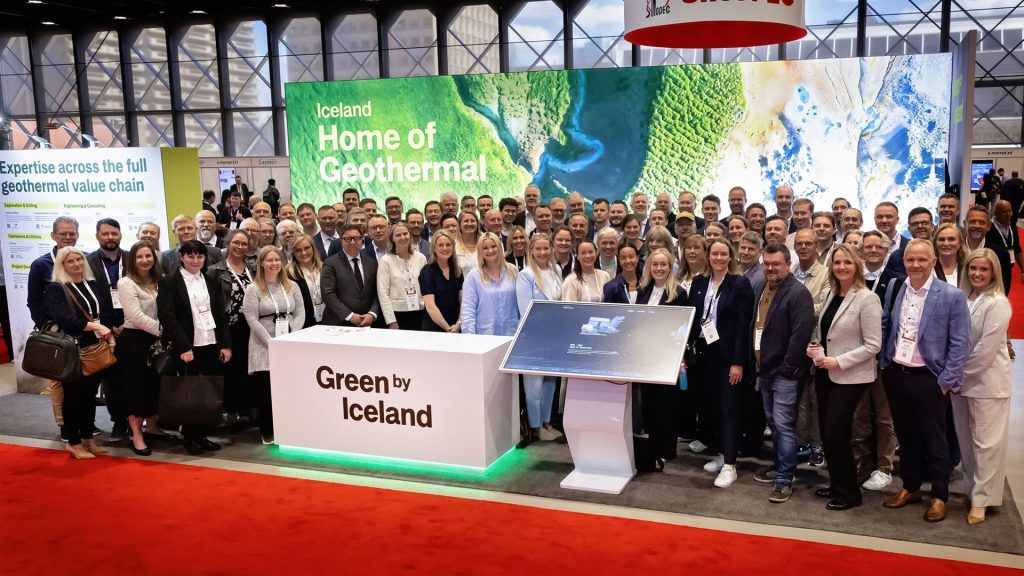
Rather than simply promoting Icelandic companies, the delegation emphasized the country’s century-long experience in integrating geothermal into everyday society. Iceland’s success extends far beyond electricity generation; geothermal supplies roughly 90% of household heating, supports industry, enables extensive direct-use applications, and has become deeply embedded in economic development and daily life.
Green by Iceland also organized a series of side events covering subjects such as geothermal investment pathways, superhot geothermal, gas management, and direct use. These sessions highlighted both Iceland’s technical expertise and its experience in creating the policy, regulatory, and commercial frameworks necessary for long-term geothermal success.
The Icelandic presence reflected an important message running throughout WGC 2026: geothermal development is no longer measured solely by installed capacity but by how effectively it can be integrated across an entire economy.
Beyond technologies: The other facets of geothermal development
Although geoscience and engineering dominated many technical sessions, one of the defining characteristics of WGC 2026 was the prominence given to non-technical topics.
Finance emerged as one of the most discussed themes throughout the congress. Numerous sessions examined project bankability, risk reduction, blended finance, insurance mechanisms, and public-private partnerships aimed at attracting larger pools of investment into geothermal projects. Policy discussions explored how governments can create stable regulatory frameworks and create policies that streamline permitting, reduce exploration risks, and integrate geothermal into broader energy planning.
Communications also received unprecedented attention. Several sessions examined how the geothermal sector can better explain its benefits to policymakers, investors, local communities, and the wider public. The need for stronger storytelling and public engagement reflected growing recognition that social acceptance can be just as important as technical performance.
Community engagement featured prominently as well. The Indigenous Geothermal Symposium, held alongside the congress, highlighted the importance of Indigenous partnerships and knowledge in geothermal development. Discussions throughout the week emphasized inclusive development models where local communities are given a seat on the proverbial table.
RELATED: Can better communication unlock geothermal investment?

Other sessions focused on workforce development, diversity, education, and youth participation, recognizing that scaling geothermal will require a constant influx of engineers, geoscientists, financiers, communicators, policymakers, environmental specialists, lawyers, and community leaders. Social events (including the excellent Battle of the Bands hosted by Women in Geothermal) provided a welcome respite from the conference sessions, allowing the geothermal community to come together in more casual settings.
WGC 2026 made it clear that the geothermal industry can only move forward through multidisciplinary collaboration. Engineering and geosciences will always be important. But the contributions of financial experts, lobbyists, policymakers, communicators, and community workers are just as valuable in inching forward every single geothermal project.
The road to Kenya: World Geothermal Congress 2029
As WGC 2026 came to a close, attention naturally shifted toward the next chapter. During the closing ceremony, the IGA and Geothermal Canada officially handed hosting responsibilities to Kenya, which will welcome the global geothermal community for World Geothermal Congress 2029.
RELATED: Kenya’s road to World Geothermal Congress 2029: Winning the bid and what comes next
The choice of Kenya as the next host probably does not surprise many people. Over the past two decades, Kenya has transformed itself into Africa’s geothermal powerhouse. The country’s continued expansion of the Olkaria geothermal complex, development of Menengai, and growing expertise in geothermal exploration and project delivery have positioned it among the world’s leading geothermal nations.
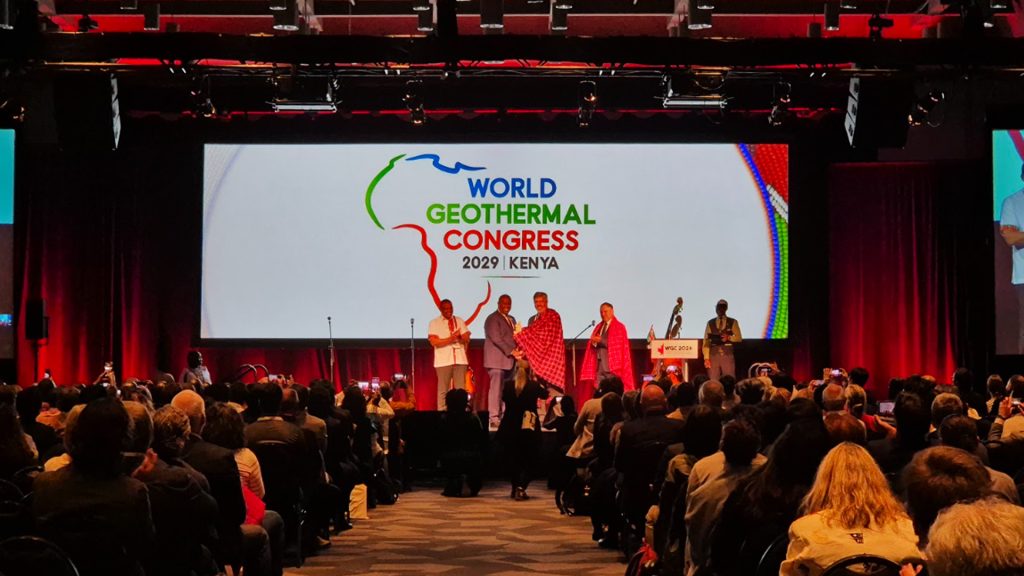
More importantly, Kenya represents one of geothermal’s greatest success stories outside the traditional markets of Iceland, New Zealand, Italy, and the United States. Its experience demonstrates how geothermal can be the driving force for economic development and industrial growth in emerging economies. Hosting WGC 2029 will provide Kenya the opportunity to showcase its technical achievements and its role in supporting the wider African geothermal sector.
If Calgary symbolized geothermal’s convergence with the expertise of the oil and gas industry, Kenya symbolizes how powerful of a role geothermal could play in rapidly growing economies.
By the time delegates gather again in Nairobi in 2029, many of the technologies discussed in Calgary may have already progressed from early concepts to commercially operation projects. This shift in conversation, from talking about the potential of geothermal to discussing how quickly and effectively it can be delivered, may ultimately be the lasting legacy of WGC 2026.